Utica
I’ve been to Utica, NY recently to visit KinHo, an undergrad professor of mine, and his family.
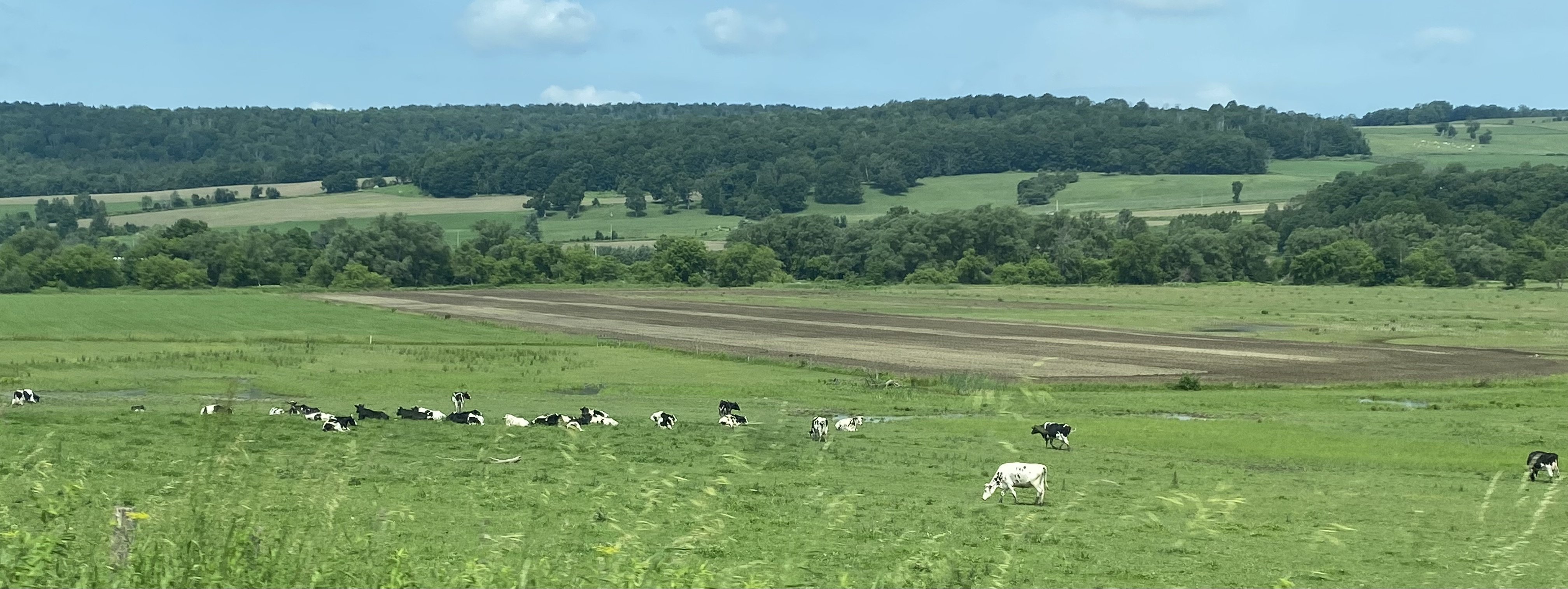
Milk cows doing their thing, on the road from Utica to Ithaca
Utica?
Pronunication: /ji:utika/
From Schenectady train station, it took me 1.25 hours to get to the Utica station. With respect to other big cities, Utica about 1.45 minutes to the west of Albany and 4 hours to the west of NYC.
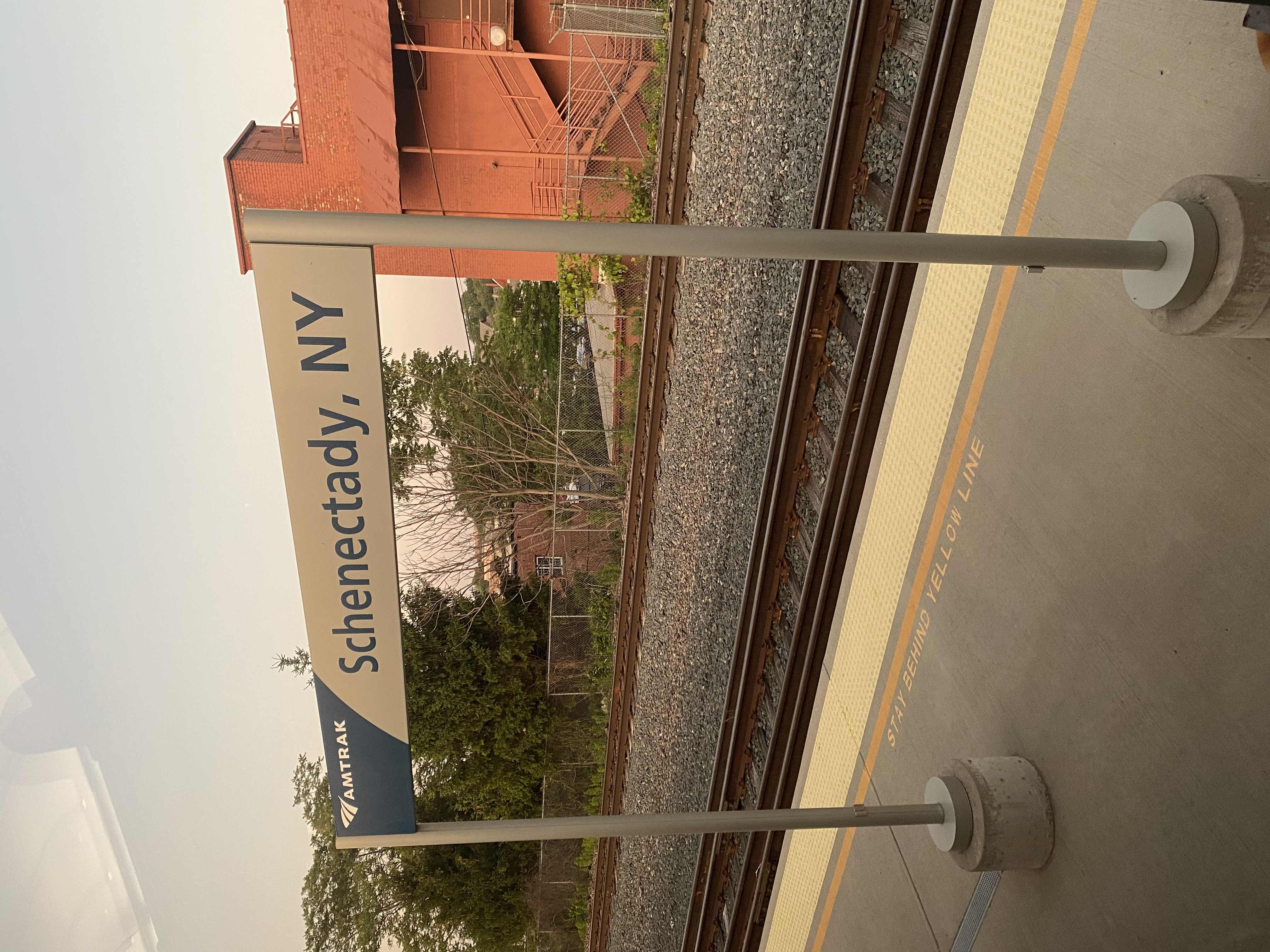

Left: Schenectady train station, the afternoon I left for Utica. Right: A book left by someone at the same train station on my way back.
I was told that Utica used to be the sixth largest city in the US. However, due to the outsourcing movement of the companies, factories were moved out of the US, turing Utica into a ghost city. Later, there were waves of refugees from Asia coming to the city, which repopulated it. It was told that Vietnamese was one of the first waves of those Asian refugees. Today, there is a Vietnamse supermarket and a few VN restaurants in the area.
My activities
I stayed there for 2 days, but in the second day, the area was hit by a big thunderstorm that caused flood and powercut. (It was scary and fun to get an alert on my phone at 4AM about a life-threating thunderstorm.) Therefore, we could not go to as many places as we wanted.
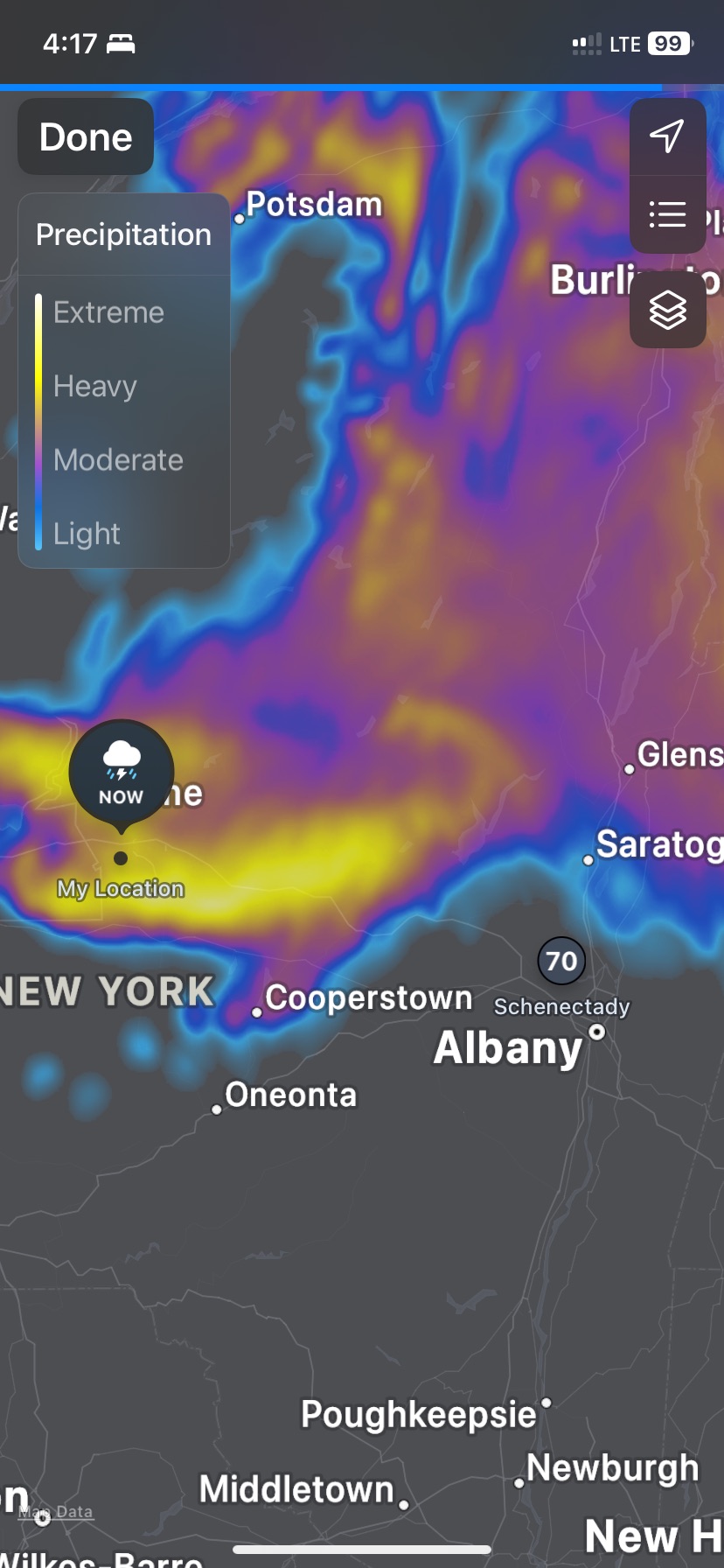
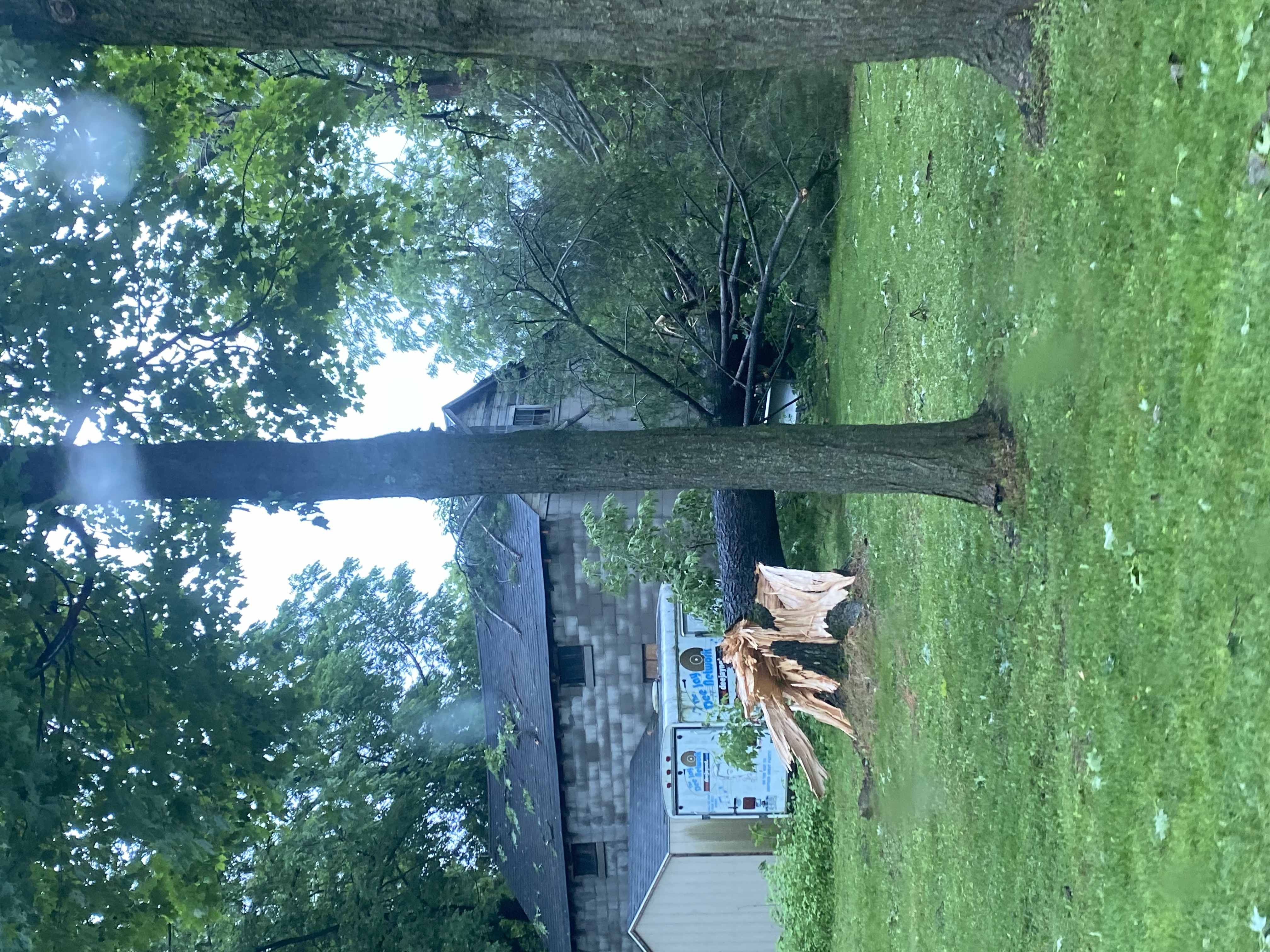
A storm hit Utica on my second day
So, in the first day (the only day that we went out), the family was so kind to take me on a 2-hour drive to Ithaca to see the farmers market there. (There were a lot of milk cows on the way.) This farmers market, located at a river front, opens every Saturday. There, I remember three things: the excellent folk music, a stall by the Amish people, and my chicken pesto wrap (below).
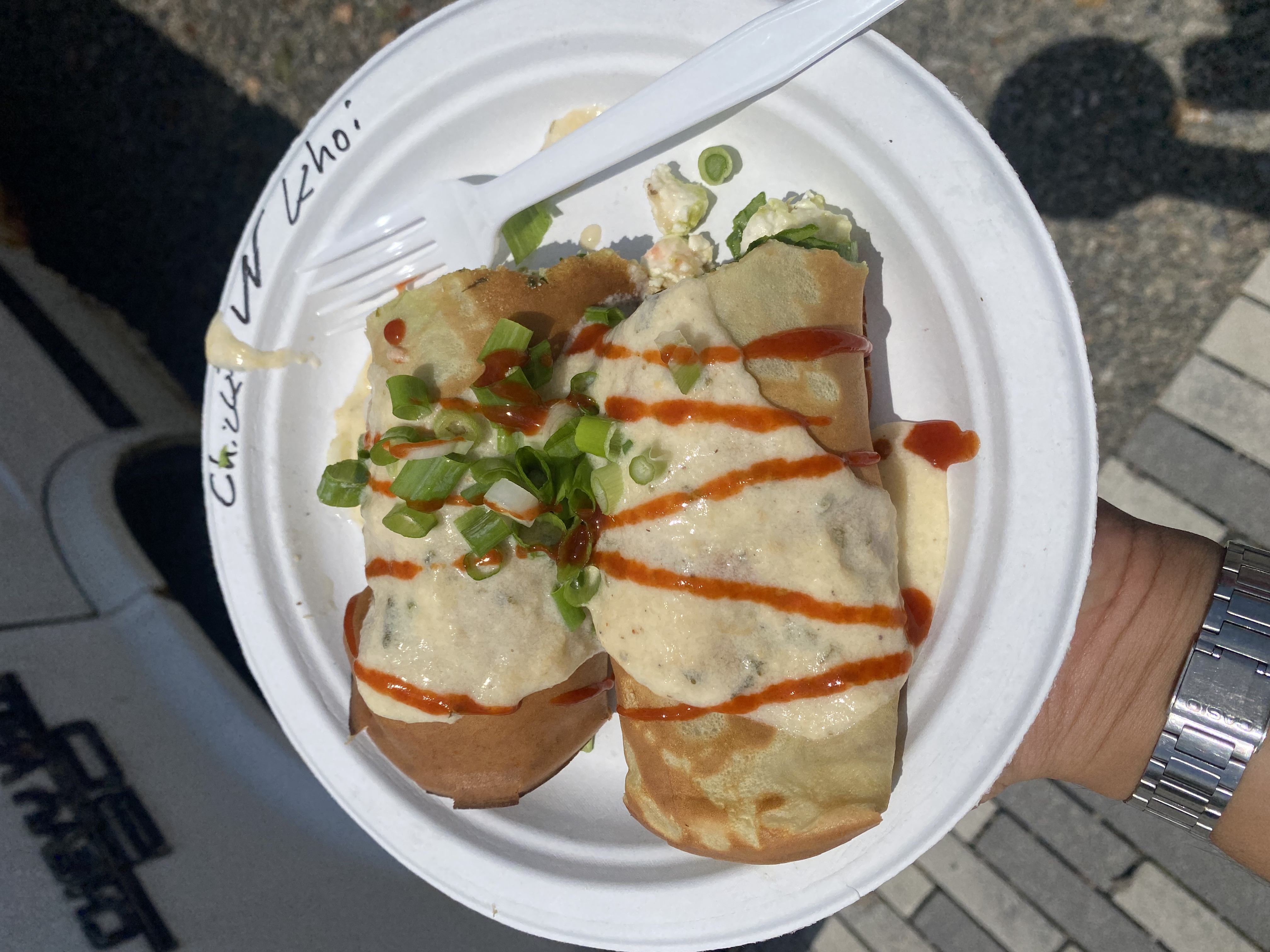
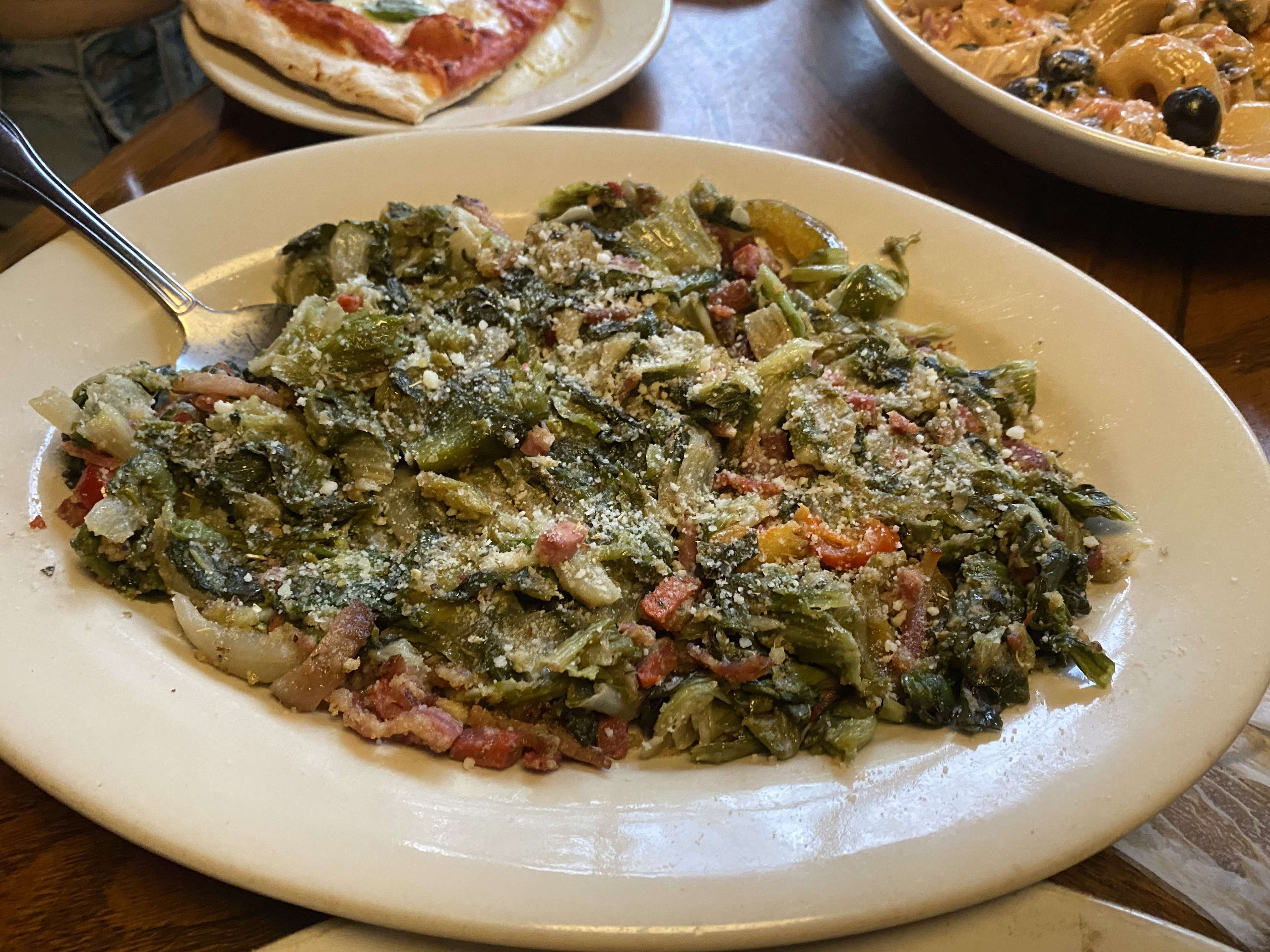
Left: Chicken pesto wrap bought at Ithaca Farmers Market. Right: Utica Greens
Then for dinner, I went out with the family to a long-standing Utica restaurant named Carmella’s Cafe. There, per my request, the family ordered mostly Utica dishes, including Utica greens (above), Chicken riggies (chicken and undercooked pasta), and calamari (fried squid). We dodged tomato pie because it is just a worse version of pizza.
KinHo
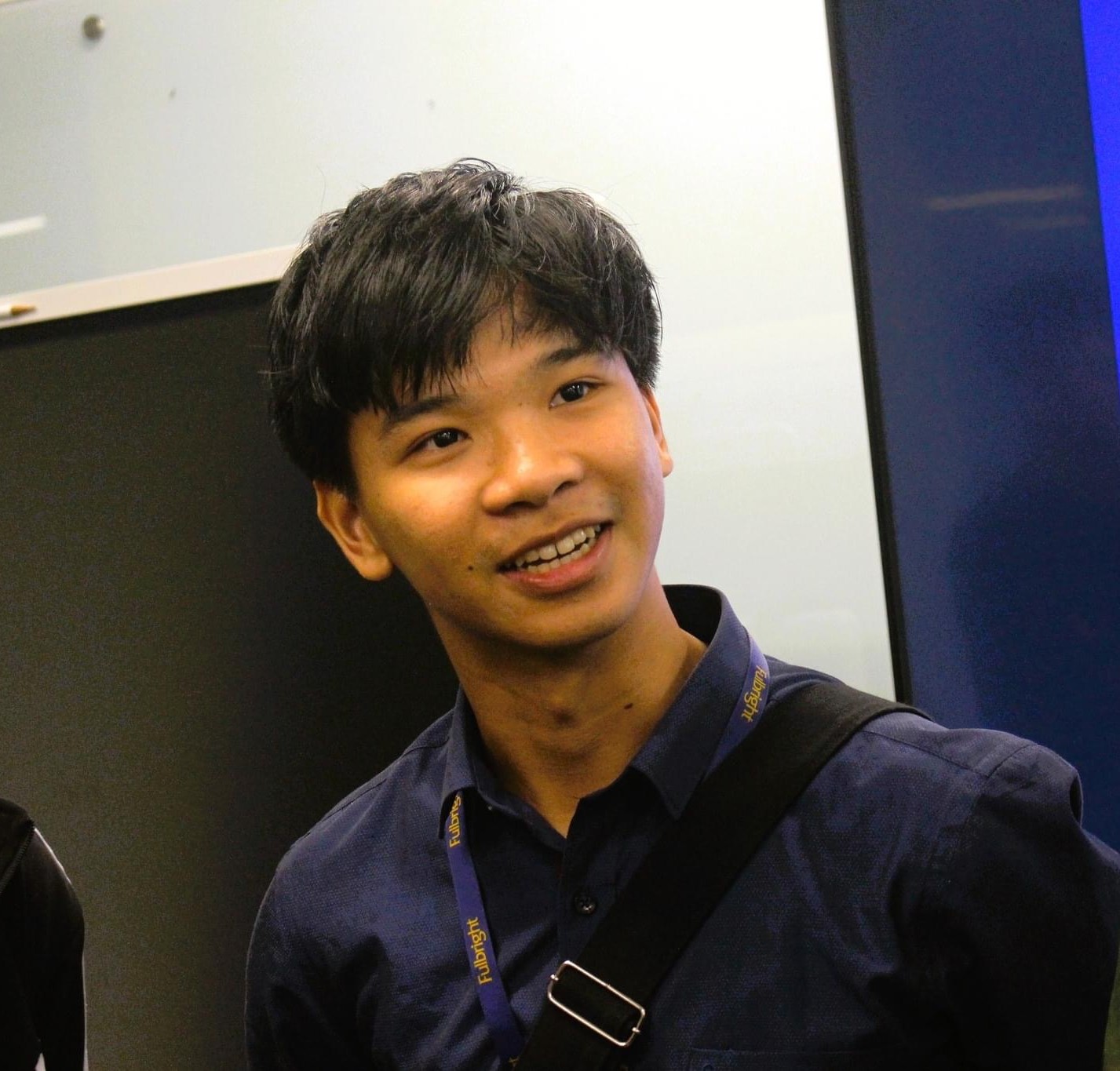
KinHo is one of the most influential people to my way of thinking during my undergrad. He is the one where I would channel to when thinking about sincerety, scientific research, and life’s meaning. During his time at Fulbright, he always opened his lectures by asking: “Is there any question other than the meaning of life?” As of now, the About page of Oneschedule (a website I wrote for Fulbright) still have his video sharing about his thoughts on the meaning of life.
There was an afternoon where we sat on his balcony, watching his plants, and talked about education in the current age of hyper-automation. He reflected that at every economic revolution, the skills that humans thoughts are unique to them are usually replaced by the new technology. For example, agriculture removed the need for hunting and gathering. Machines from steam and electricity removed the need for manual labor in agriculture. Mobile phones and internet, commercially available just about 30 years ago, now effectively remove the need for traveling to communicate. Not just that, but now mobile phones and internet have grown to a stage where they can do all the things humans could expect them to do. Of course, there are still many research questions in such fields, but from an end-user’s perspective, we are so much happy with what those technologies enable us to do that we do not expect anything more.
From here, he extrapolated that, from the time a technology is commercially avalaible to the time it can achieve everything we could imagine it to do, it takes about 30 years. If this theory of innovation rate is true, given that AI is already commercially available at the moment, in 30 years (within my life span), I should see AI doing all the things I could expect it to do. That expectation includes: human-like perception of the world, human-like critical thinking, human-like body maneuvering, human-like communication skills, providing emotional support to humans, etc. As a growing researcher in this very field, I can’t deny that such a scenario can be true.
The critical point here is that, we have been taking pride in the new education because it can equip students with critical thinking, effective communications, team-work, general problem solving, etc. But if AI can do all of that, what should we teach our kids? While I think it would be data and model management skills (to better use AI and manage the AI fleet), KinHo thinks it would be relational skills (because humans would work less and crave for social interactions more.)
I also chatted with KinHo about my career. And it was pretty obvious that I could not predict the future world to base my personal plan upon it. He did not know he would move his entire family to Vietnam to pursue the Fulbright project until very close to the interview process. Who am I to expect I would know the future?
And with that, my perspective on life shifted a little, again.
Comments